
Case Study by sea safe advocate Brett McCallum
Brett McCallum has spent over four decades as an industry advocate within the Australian commercial seafood industry. Through senior positions, including CEO of the Western Australian Fishing Industry Council and the Pearling Industry Association of Australia, Brett has worked closely with fishers across different fleets, vessel sizes, and regions. Over that time, one issue has remained consistent: the wearing life of life jackets.
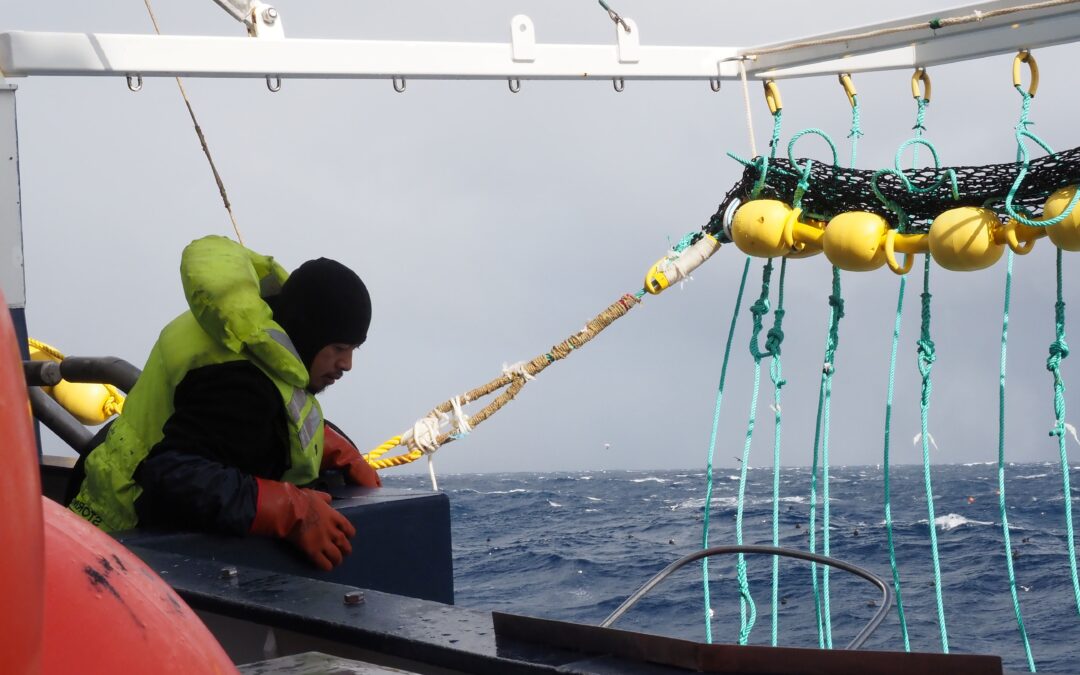
The long-held resistance many fishers have had towards wearing life jackets is understandable. Life jackets in the past were bulky, uncomfortable, and often got in the way when working on deck. As a result, working without a life jacket has long been a “normal” practice. However, modern life jackets are lighter, easier to wear, self-inflatable and designed for active deck work. ‘It is very difficult for industry to convince regulators and the general community that new style lifejackets get in the way’ says Brett, ‘Many in industry now agree to insist crew wear lifejackets when weather conditions deteriorate to a certain level or during access to the deck at night’.
Despite this, the use of life jackets continues to be inconsistent within the industry, with a deeply ingrained belief in some that wearing a life jacket can be seen as a sign of weakness. Many fishers view themselves as independent, tough, and able to handle risk. In this mindset, saying “I need a life jacket” can feel like admitting vulnerability or incompetence. A crew member might agree with safety advice privately but feel unable to challenge the culture openly because of the perception that others would see it as a sign of weakness.
‘I meet a crew once that said wearing a lifejacket was a put down on their skills as a deckie’, said Brett, ‘So is drowning I said to him’. This barrier has real consequences. When life jackets are treated as optional, the risk of serious injury or death rises. People become used to working without them and it becomes normal to take small risks. The “it’s never happened to me” mindset is powerful in an industry where experience is valued and where there is a long history of managing risk through skill rather than equipment. This mindset can contribute to fatal incidents that could have been avoided if a lifejacket was being worn.
There has been some progress made towards changing attitudes and increasing the use of life jackets. Education, rather than strict enforcement, has allowed industry to begin a cultural change towards safety attitudes. Building safety culture “from the bottom up” and working with fishers to understand the concerns around life jacket use has shifted how life jackets are viewed. Instead of being seen as a sign of weakness, or a mandated burden, they become part of doing the job properly – no different to watching the weather.
Lasting change comes when safety fits naturally into how people already work. Life jackets are not about removing all risk from fishing. They are about giving people a better chance of coming home when something unexpected happens.
Are you sure your mate onboard with you knows how to save you?